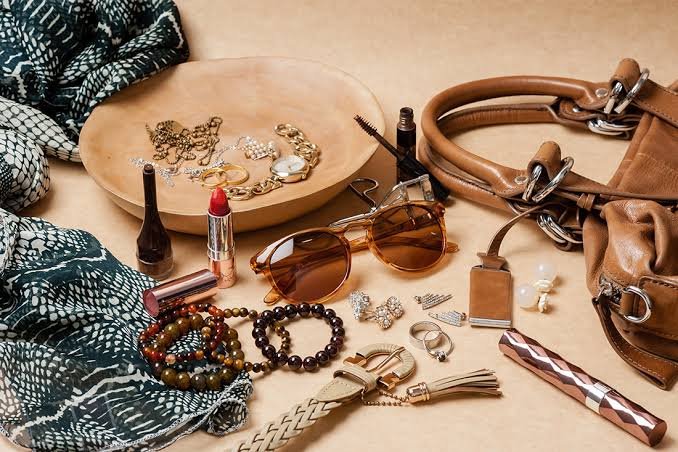

The accessories people carry every day should make routines easier while complementing their personal style. A handbag is often among the most important of these items because it holds essential belongings and remains part of an outfit throughout the day. Its usefulness depends on several factors, including size, strap design, material and construction.
Shoulder-carrying designs are popular because they can provide convenient access to belongings while creating a familiar silhouette. However, selecting the right option requires attention to comfort and practical details rather than appearance alone.
Considering Your Everyday Requirements
Start by thinking about the activities that fill a typical day. A person moving between meetings may need space for a phone, wallet, keys and a few work essentials. Someone spending time shopping or meeting friends may prefer a lighter design that does not feel cumbersome.
The contents of the bag should guide its dimensions. Make a simple list of the belongings you carry regularly and compare them with the product measurements. This is more reliable than estimating capacity from photographs.
Also consider whether you prefer a structured interior or a more open compartment. Pockets can help organise small items, but the layout should remain convenient rather than complicated.
The Appeal of a Shoulder-Carrying Design
A shoulder bag can be easy to incorporate into daily dressing. Its carrying style allows the bag to rest close to the body, while the handle or strap provides a familiar way to transport personal belongings.
When reviewing a leather shoulder bag check the handle drop or strap length, overall dimensions and weight. These details influence how the bag sits when carried. A design that looks attractive but slips off the shoulder or feels awkward may not be suitable for frequent use.
The opening and fastening are equally important. Consider whether you can reach your belongings comfortably and whether the closure suits the way you move throughout the day.
Material and Design Details
Leather offers a distinctive appearance that can complement a wide range of clothing. Its texture and finish contribute to the character of the bag, while the colour can influence how easily it coordinates with existing outfits.
Construction details deserve equal attention. Inspect stitching, seams, handles, attachment points and hardware. These features are particularly relevant in areas that experience repeated movement.
Care requirements should also be part of the purchasing decision. Different finishes may need different cleaning methods, so follow the manufacturer’s instructions rather than applying an unsuitable product.
Matching the Bag With Your Wardrobe
A versatile shoulder bag can be styled in several ways. Neutral colours may work with office clothing, denim and casual weekend outfits. A more distinctive shade or texture can create a focal point when the rest of an outfit is simple.
Think about the clothing you wear most often. If your wardrobe includes many neutral tones, a bag in a complementary colour can add interest. If your outfits already feature strong patterns or colours, a simpler design may create a more balanced appearance.
Proportion matters too. The bag should feel comfortable in relation to your height and the clothing you wear. There is no universal ideal size; personal preference and practical use are more important.
Comfort During Longer Days
A bag that is carried for several hours should feel manageable. Consider its weight before adding belongings, the width of the strap and how the bag rests against the body.
Avoid carrying unnecessary items. Regularly removing receipts, unused accessories and other objects can prevent the bag from becoming heavier than needed. Distributing belongings sensibly may also make it easier to find frequently used items.
If you often carry heavier objects, check whether the design is intended for that purpose. A fashionable accessory should not automatically be assumed to be suitable for every load.
Making an Informed Purchase
Before buying, review the dimensions, materials, fastening system and care instructions. Product photographs can help you understand the shape, but written specifications provide essential measurements.
It is helpful to compare a few designs using the same criteria. Ask whether the bag suits your routine, whether it works with your wardrobe and whether its construction appears appropriate for the intended use.
Frequently Asked Questions
1. Are shoulder bags suitable for work?
Many shoulder bags can be suitable for work, depending on their size, design and capacity. Check whether they can comfortably hold the belongings you need during the working day.
2. How do I choose a comfortable shoulder strap?
Consider the strap length, width, material and how the bag sits when carried. Adjustable options may provide greater flexibility for different clothing and carrying preferences.
3. Which colour is easiest to coordinate?
Neutral shades are often versatile because they complement many clothing colours. However, the best choice depends on your wardrobe and whether you prefer understated or more expressive accessories.
Conclusion
A practical shoulder bag should support everyday activities without compromising comfort or personal style. Paying attention to dimensions, materials, construction and carrying details makes it easier to choose an accessory that fits naturally into daily life. A considered purchase can provide both convenience and a polished finishing touch.