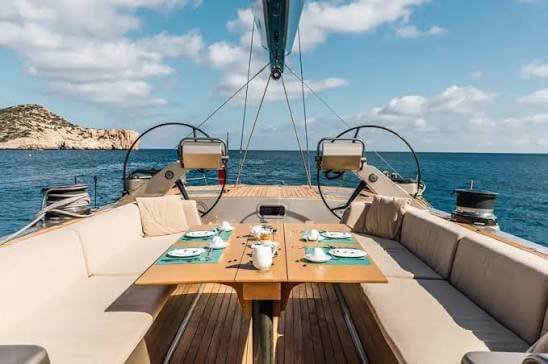

Sailing yachts combine engineering, design and the experience of travelling across open water. For people interested in recreational sailing or extended voyages, choosing a yacht involves more than considering its appearance. Layout, sailing performance, onboard comfort and practical requirements all influence whether a vessel is suitable for a particular owner.
Understanding the different yacht designs can help prospective buyers make informed decisions and identify the features that matter most.
Understanding Different Yacht Configurations
Sailing yachts are available in several configurations. Monohulls have a single hull and are often associated with traditional sailing characteristics. Catamarans have two hulls connected by a central structure, creating a wider platform and a different onboard layout.
The choice between these designs depends on intended use, sailing preferences, passenger requirements and operating conditions.
Catamarans are often considered by people who value spacious living areas and multiple accommodation spaces. However, their dimensions, handling characteristics and maintenance requirements should also be considered.
The Appeal of Multihull Sailing
A multihull yacht offers a distinctive arrangement that can provide generous deck space and separation between living areas. The wider structure may also create a different experience when anchored or moving through suitable waters.
For families and groups, the layout can be an important consideration. Separate cabins, shared social areas and practical storage may make longer trips more comfortable.
Nevertheless, no yacht design is ideal for every journey. Buyers should consider the vessel’s intended sailing environment and seek professional guidance when comparing specifications.
Exploring a Recognised Yacht Builder
People researching fountaine pajot may be interested in understanding the design approach and range of sailing yachts associated with the brand.
When evaluating any yacht manufacturer, it is useful to compare models based on measurable specifications rather than relying only on promotional descriptions. Length, beam, draft, displacement, sail plan and accommodation layout can all affect how a vessel performs and feels onboard.
A model comparison should also consider the equipment included as standard and the optional features available.
Matching a Yacht to Its Intended Use
The purpose of a yacht should guide the selection process. A vessel intended for weekend sailing may have different requirements from one used for extended cruising or charter operations.
Consider the following factors:
- Number of people expected onboard.
- Typical voyage duration.
- Preferred sailing regions.
- Accommodation and storage needs.
- Crew requirements.
- Available maintenance support.
- Budget for purchase and operation.
A realistic assessment helps avoid choosing a vessel based on features that may not be relevant to actual use.
Reviewing Onboard Comfort and Layout
The interior arrangement can influence daily life onboard. Buyers may want to examine cabin privacy, bathroom facilities, galley design, ventilation and the connection between indoor and outdoor spaces.
Storage is another important consideration. Longer journeys require space for supplies, personal belongings, safety equipment and spare parts.
Prospective owners should inspect the layout in person whenever possible. Floor plans are useful, but they do not always communicate the practical experience of moving around a vessel.
Considering Sailing Performance
A yacht’s performance depends on its design, weight, rigging, sails and operating conditions. Buyers should understand the intended performance characteristics of the model they are considering.
A professional demonstration or sea trial can provide useful information about handling and onboard systems. It is also an opportunity to ask questions about maintenance, equipment and operational limitations.
Budgeting Beyond the Purchase Price
The purchase price is only one part of yacht ownership. Owners should also plan for insurance, berthing, routine maintenance, servicing, equipment replacement and other operating expenses.
Costs vary according to vessel size, age, location and usage. A realistic budget should include both predictable annual expenses and a reserve for unexpected repairs.
Professional inspections can help identify issues before a purchase is completed.
Frequently Asked Questions
1. What is the main difference between a monohull and a catamaran?
A monohull has one hull, while a catamaran has two. Their layouts, stability characteristics, handling and space arrangements differ, so suitability depends on the intended use.
2. What should buyers review before selecting a sailing yacht?
Important considerations include size, sailing performance, accommodation, equipment, maintenance history, operating costs and the type of voyages planned.
3. Is a sea trial useful before purchasing a yacht?
Yes. A sea trial can help prospective buyers assess handling, onboard systems and general operating characteristics under suitable conditions.
Conclusion
Selecting a sailing yacht requires a balanced assessment of design, performance, comfort and ownership costs. Comparing specifications and considering intended use can help buyers identify a suitable vessel. Professional inspections, practical demonstrations and careful budgeting are valuable steps towards making a well-informed decision.